By the numbers
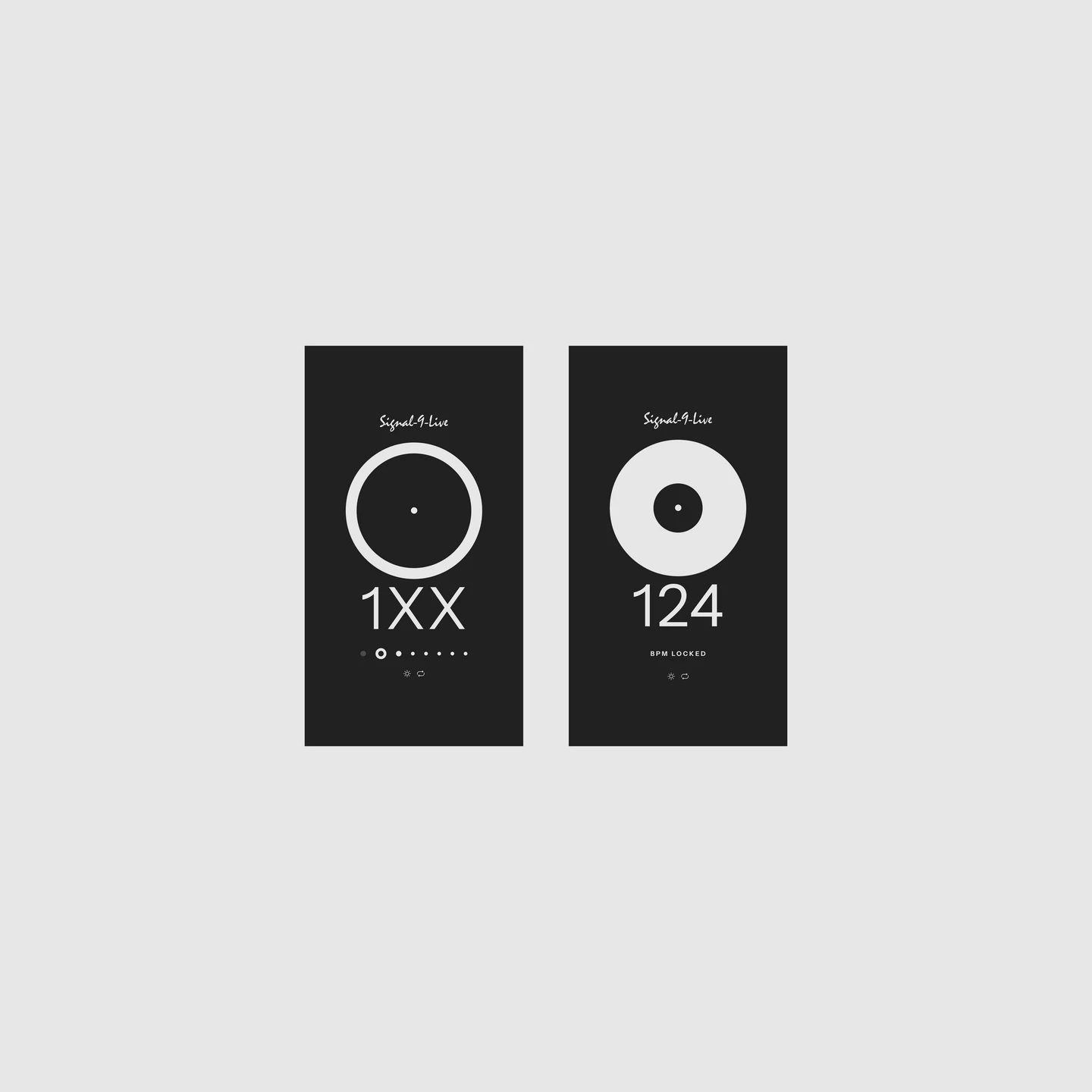
1
full-screen primary tap surface
3
input paths: touch, pointer, and Spacebar
3 → 6 to 8
taps from first estimate to a stable reading, proposed for testing
Product brief
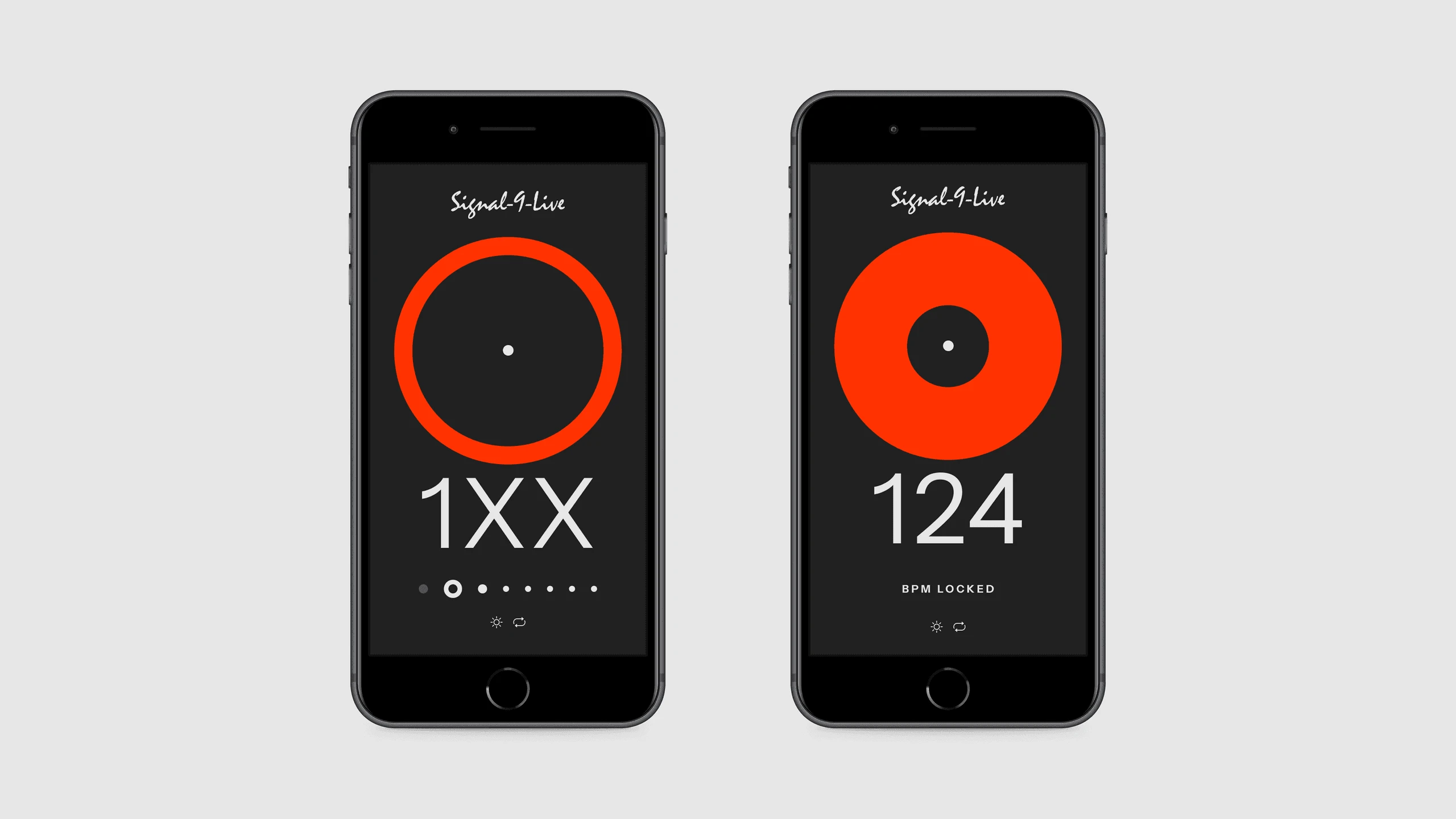
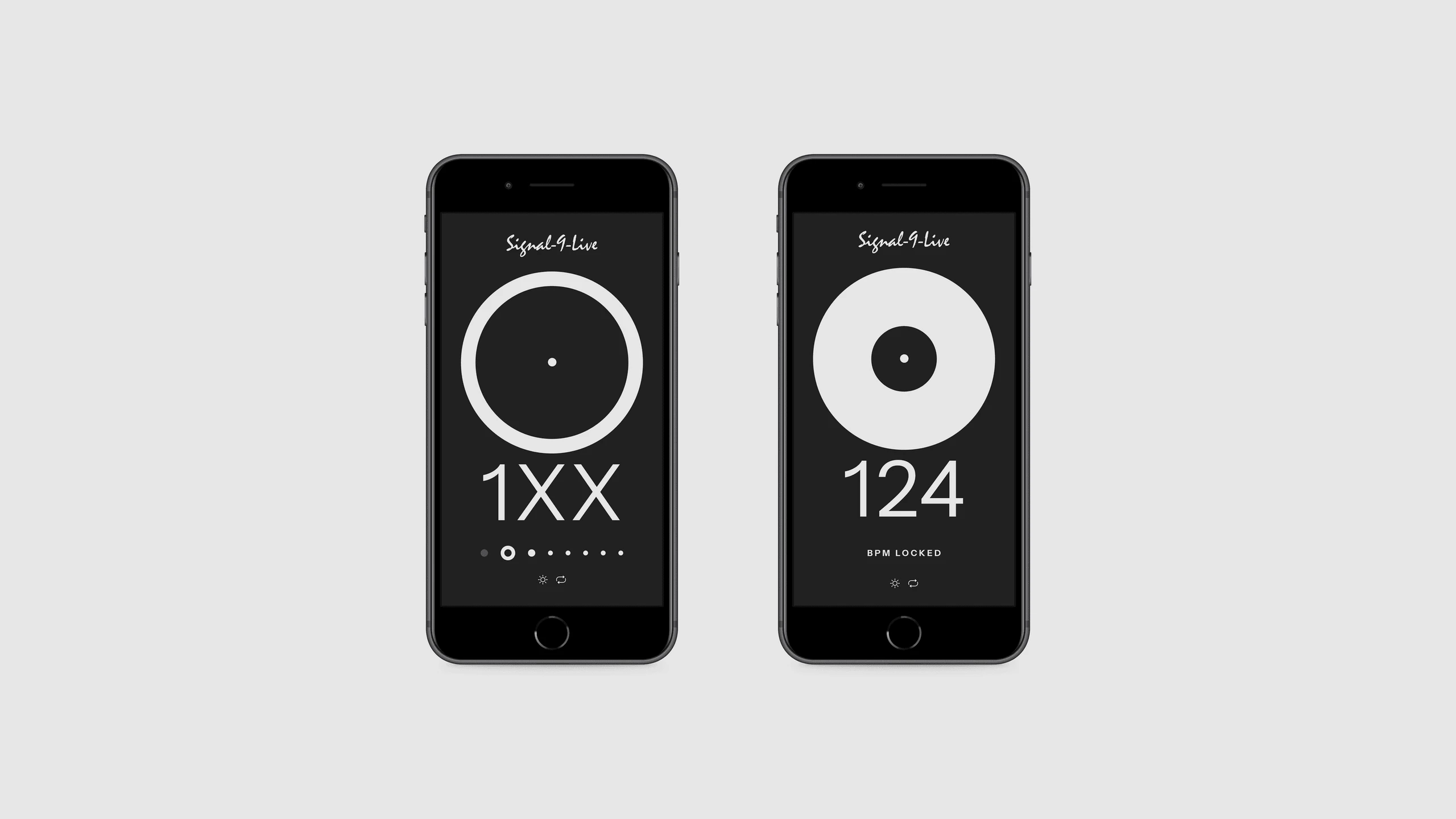
Tap-BPM turns a phone or browser into a focused manual tempo counter. Tap anywhere or use the Spacebar, see each beat register, and read a stable result without leaving the music.
Tap-BPM is a mobile-first browser tool for DJs who need a quick tempo reference while working with vinyl, external audio, or a track that is not already analyzed. The product opens directly to one task: tap with the beat and read the estimate. It is designed for touch, one-handed use, large targets, immediate feedback, and low-light readability.
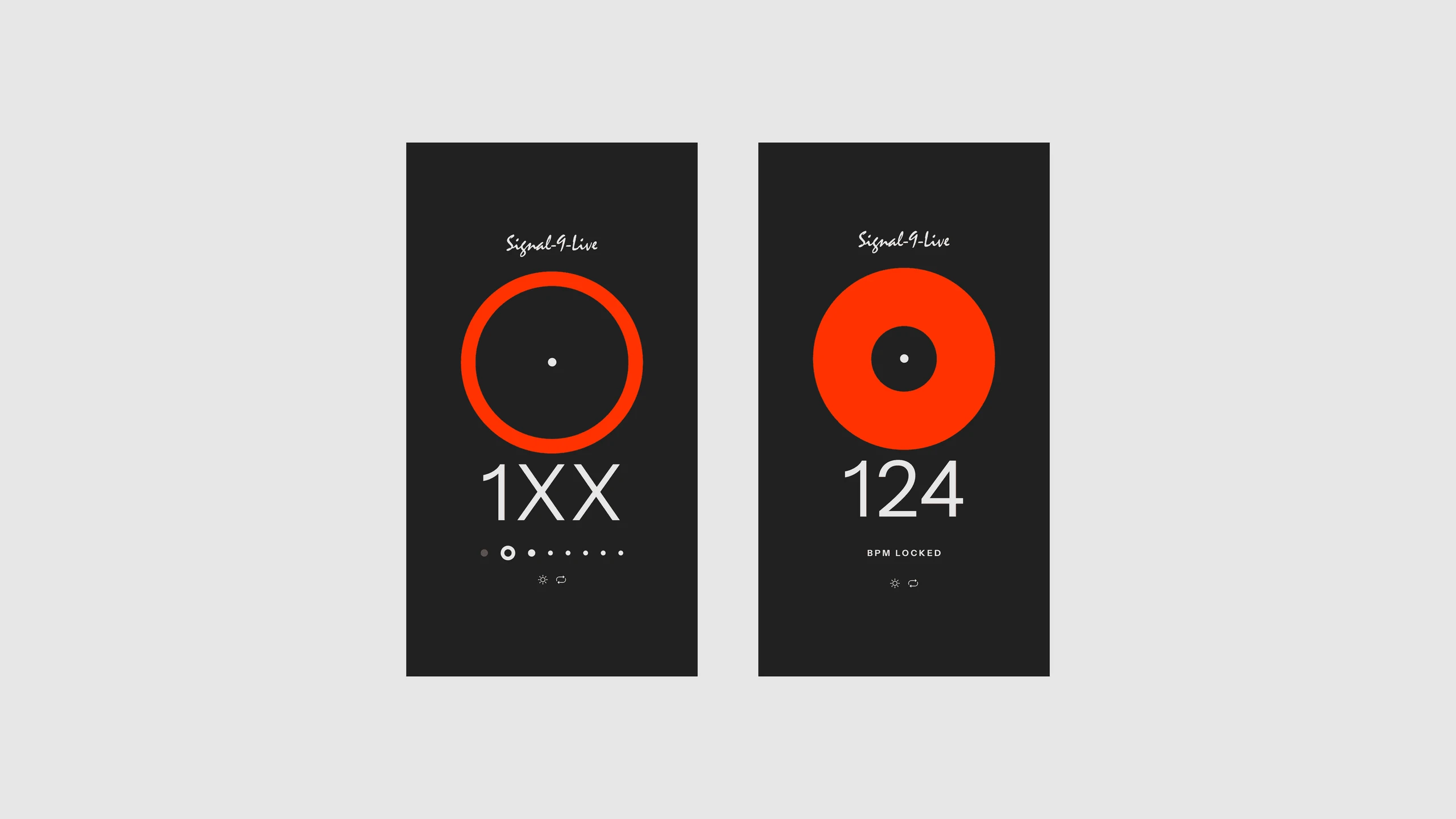
1
full-screen primary tap surface
3
input paths: touch, pointer, and Spacebar
3 → 6 to 8
taps from first estimate to a stable reading, proposed for testing
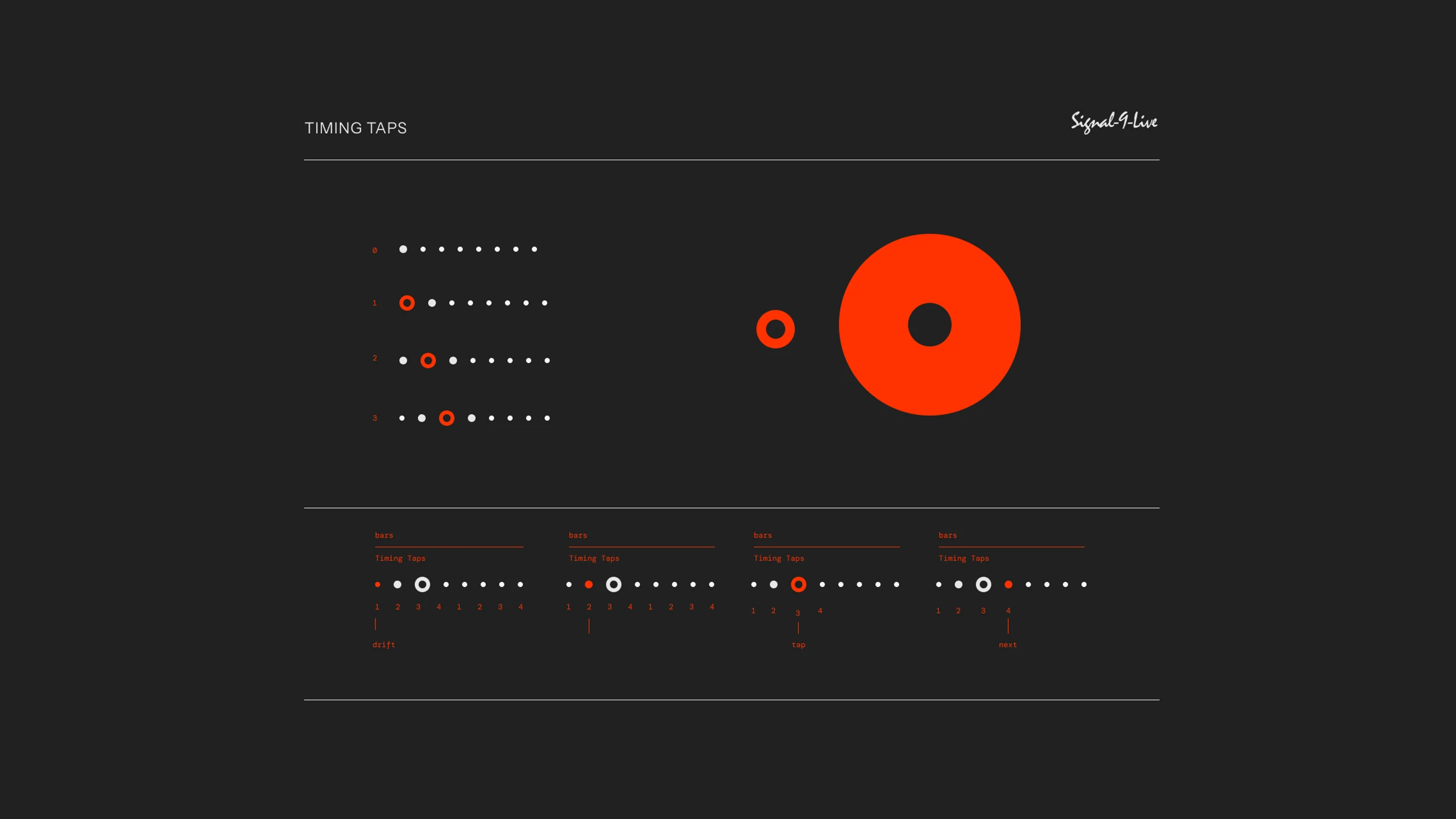
I set the product direction, reviewed the category, defined the interaction and motion behavior, designed the responsive interface and identity, and built the working browser prototype. V1 includes touch, click, and Spacebar input; live BPM and tap history; measuring and stable states; reset; half and double tempo; themes; and reduced-motion behavior.
Role
Creator and Product Designer
Timeframe
2026
Disciplines
Product Design, Interaction Design, Creative Tools
The result is a working responsive browser prototype that establishes the complete V1 interaction loop without claiming adoption or usability outcomes that have not been measured.
Working prototype
Touch, click, and Spacebar input in one responsive browser app
Feedback system
Live BPM, tap timing, reset, themes, and reduced motion behavior
Platform
Responsive web app
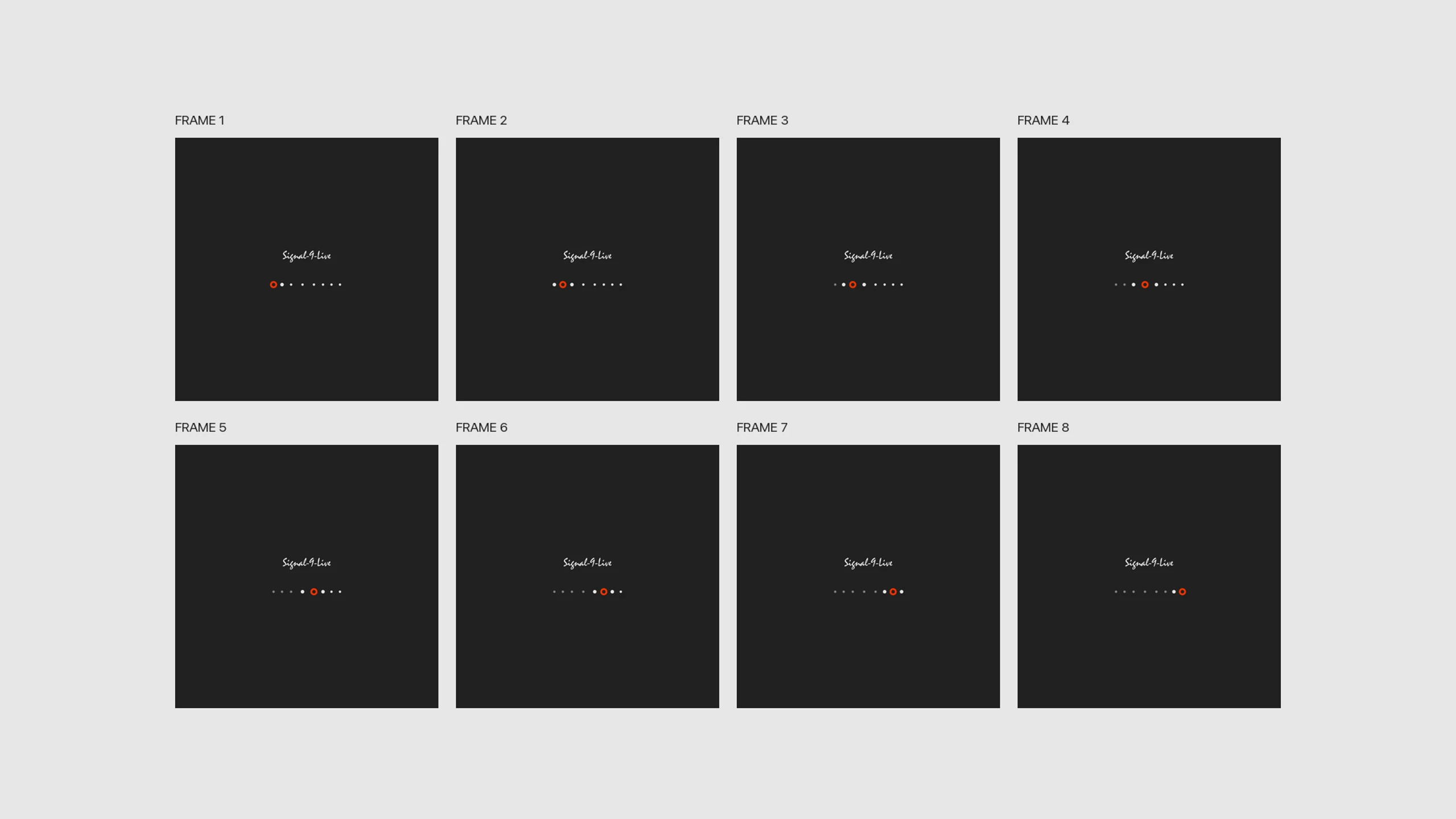
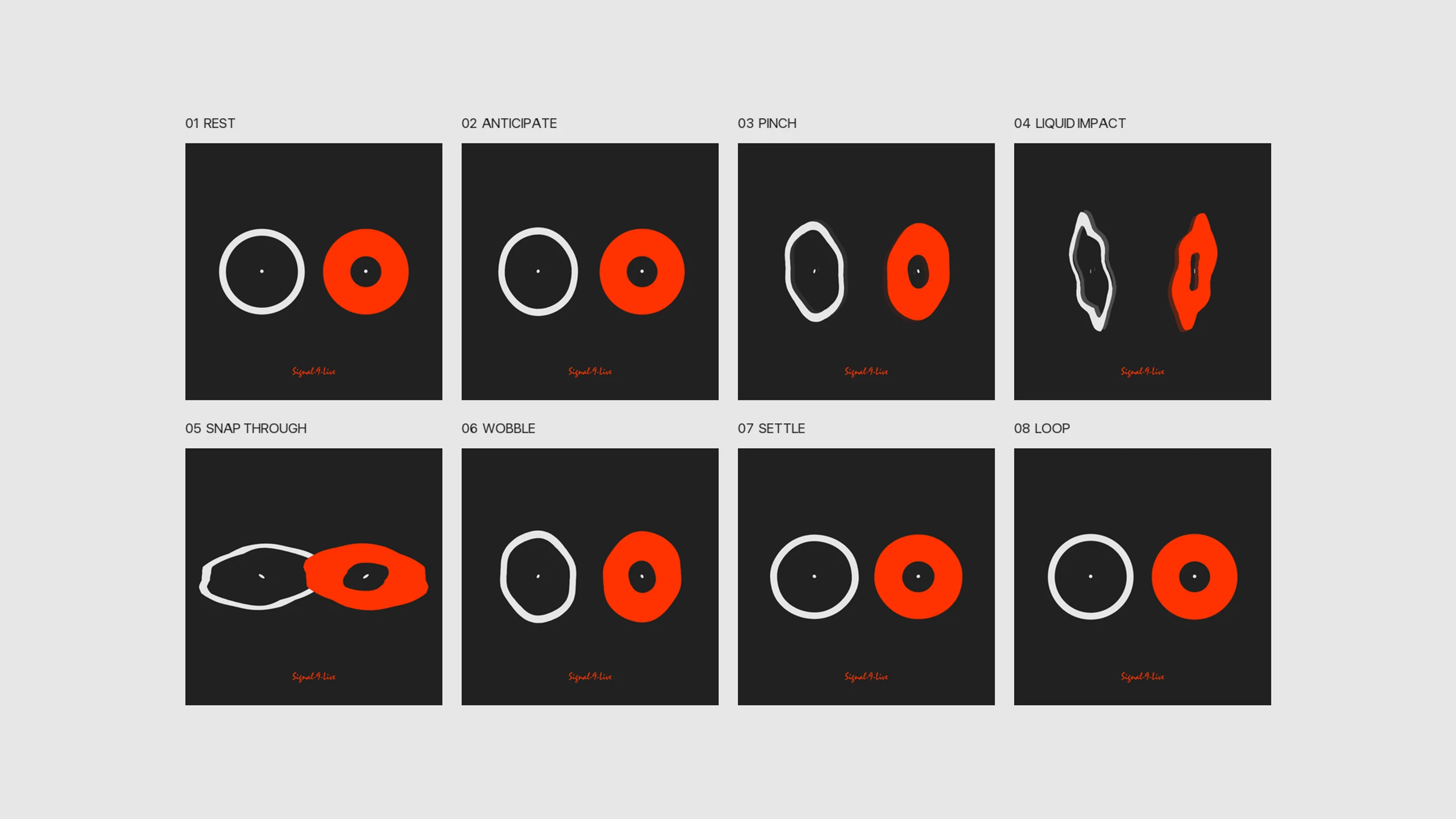
Research and competitive review shaped a full-surface tap model, progressive confidence states, concise motion feedback, and a responsive implementation for phone and desktop.
Basic BPM counters already solve the calculation. The small competitor sample I reviewed provided limited tap feedback, made measurement progress difficult to understand, and generally behaved like desktop calculators rather than responsive music tools.
A DJ may need an immediate tempo check while attention stays on the record, room, and mix. Small targets, setup steps, and ambiguous early readings add work at exactly the wrong moment.

Should interaction center on a conventional tap button, or should the whole experience behave as the instrument? I let the screen, pointer, and Spacebar share one primary tap action, keeping the BPM fixed at the center while expressive feedback moves around it. The tradeoff: the full-surface model needs careful event handling so theme, reset, half, and double controls stay distinct from tempo input, and the proposed confidence thresholds still require direct testing.
The early evidence combines a small competitor review, general mobile interaction research, and product prototyping. Direct observational research with DJs, a validated confidence threshold, and adoption or usability metrics remain outside the current evidence.

Making a utility feel alive depends on precise, brief feedback rather than motion volume. The BPM stays still while feedback happens around it. Direct usability testing with DJs is the next step to validate hand posture, booth legibility, haptic value, and confidence thresholds.